Dyson Airblade Hand Dryers at the Royal Institute of British Architects (RIBA), London
Case Study: Reducing Paper Towel Waste, Improving Washroom Efficiency and Preserving Architectural Design at RIBA Headquarters
Project Overview
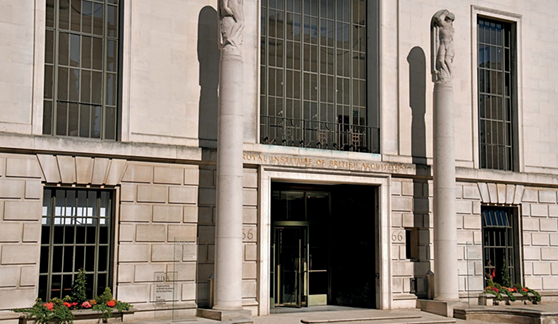
The Royal Institute of British Architects (RIBA) selected Dyson Airblade Mk2 and Dyson Airblade V hand dryers for its headquarters at 66 Portland Place, London, as part of an initiative to improve washroom efficiency, reduce paper towel waste and support the organisation's sustainability objectives.
The project involved replacing disposable paper hand towels with high-speed electric hand dryers that could deliver effective hand drying while complementing the building's distinctive Art Deco architecture.
The installation demonstrates how commercial washroom facilities can balance operational efficiency, environmental considerations and architectural aesthetics.
Project at a Glance
| Project Detail | Information |
|---|---|
| Client | Royal Institute of British Architects (RIBA) |
| Location | 66 Portland Place, London, UK |
| Sector | Professional Institution / Commercial Buildings |
| Building Type | Art Deco Architectural Landmark |
| Products Installed | Dyson Airblade Mk2 and Dyson Airblade V |
| Previous Hand Drying Solution | Disposable Paper Hand Towels |
| Main Challenges | Paper waste, running costs, storage requirements and aesthetics |
| Solution | High-speed Dyson Airblade hand dryers |
| Reported Benefits | Reduced reliance on paper towels, improved washroom efficiency, contemporary design and positive user feedback |
The Client: Royal Institute of British Architects
The Royal Institute of British Architects is a leading professional body for architects in the United Kingdom.
Its headquarters at 66 Portland Place in London's West End is an architecturally significant Art Deco building, originally designed as a showcase for British architecture.
The premises accommodate lecture theatres, galleries, event spaces and an extensive architectural library, making them an important destination for architecture professionals, researchers and visitors.
Maintaining high standards across the building's facilities is particularly important because the premises represent architectural excellence and design innovation.
Consequently, any changes to the building's washrooms needed to deliver practical improvements without compromising the character of the historic interior.
The Challenge: Reducing Paper Waste and Improving Washroom Efficiency
Before introducing Dyson Airblade hand dryers, RIBA relied on disposable paper towels for hand drying.
Although widely used in commercial washrooms, paper towels created several operational and environmental challenges for the organisation.
1. High Paper Towel Running Costs
The ongoing purchase and replacement of paper hand towels represented a recurring operational expense.
RIBA wanted to introduce a more economical hand drying solution that would reduce dependence on disposable consumables.
2. Excessive Paper Waste
Disposable paper towels generated significant quantities of waste.
Reducing this waste was an important consideration for RIBA, particularly in relation to its wider sustainability initiatives.
The organisation wanted a hand drying solution that could support more resource-efficient washroom operations.
3. Storage Space Requirements
Paper towel supplies occupied valuable storage space within the building.
Eliminating the need to maintain large stocks of disposable towels offered an opportunity to improve storage efficiency.
4. Architectural and Aesthetic Requirements
Finding a suitable electric hand dryer was not simply a matter of performance.
RIBA needed equipment that would complement the building's distinctive Art Deco design.
Previous hand dryer options had failed to achieve agreement among the facilities team because of concerns about their appearance.
The ideal solution needed to combine contemporary technology, efficient hand drying and a design appropriate for an architecturally important building.
The Solution: Dyson Airblade Mk2 and Dyson Airblade V Hand Dryers
RIBA installed a combination of Dyson Airblade Mk2 and Dyson Airblade V hand dryers throughout its headquarters.
The selected products provided a practical alternative to disposable paper towels while meeting the organisation's requirements for performance, design and operational efficiency.
Dyson Airblade Mk2: High-Speed Hand Drying
The Dyson Airblade Mk2 uses high-velocity air to remove water from hands.
According to Dyson's original case study, the Airblade technology used in the installation was designed to dry hands in approximately 10 seconds.
This enabled RIBA to introduce fast hand drying without relying on disposable paper towels.
Dyson Airblade V: Compact, Space-Saving Design
The Dyson Airblade V was also selected for the installation.
The original Dyson case study described the Airblade V as approximately 60% smaller than the original Dyson Airblade hand dryer while offering equivalent drying performance.
Its compact, wall-mounted design was particularly suitable for washrooms where space efficiency and visual appearance were important.
The product's contemporary styling complemented the Art Deco surroundings, addressing one of RIBA's main concerns when evaluating electric hand dryers.
Dyson Digital Motor V4 Technology
The hand dryers featured in the original case study were powered by Dyson's digital motor V4.
This compact, high-power motor enabled the products to deliver high-speed airflow while supporting smaller product dimensions.
The technology allowed RIBA to combine effective hand drying with equipment that did not visually dominate the washroom environment.
The Results: Improved Efficiency, Reduced Waste and Positive Feedback
The introduction of Dyson Airblade hand dryers helped RIBA address several of its original washroom management challenges.
Reduced Dependence on Disposable Paper Towels
By introducing electric hand dryers, RIBA was able to move away from its previous reliance on disposable paper towels in the upgraded washrooms.
This supported the organisation's objective of reducing paper waste and minimising the need to store replacement consumables.
Improved Operating Cost Efficiency
The original Dyson case study stated that Airblade technology could dry 17 pairs of hands for the cost of a single paper towel.
This was a manufacturer-reported comparative operating cost claim rather than a measured financial saving specific to RIBA.
Nevertheless, the elimination of recurring paper towel purchases offered a potential operational benefit for the organisation.
Supporting Sustainability Objectives
Environmental performance was a key consideration in the product selection.
Dyson's original case study reported that its Airblade hand dryers produced 62% less CO₂ than paper towels under the life-cycle assessment assumptions used in its research.
This comparison was based on historical manufacturer-commissioned research and should not be interpreted as a current, independently verified carbon saving for the RIBA installation.
For RIBA, the ability to reduce disposable paper consumption and associated waste aligned with its sustainability objectives.
Improved Washroom Appearance
The compact, contemporary design of the Dyson Airblade products addressed the organisation's concerns about installing equipment within a historically significant building.
The facilities team considered the new hand dryers suitable for the Art Deco environment.
Positive User Feedback
Following the installation, RIBA reported positive feedback about the new hand dryers.
Users particularly appreciated their power and drying performance.
This response indicated that the new equipment successfully addressed the organisation's practical requirements while maintaining an appropriate standard of design.
Client Testimonial
Jola Wisniewska, Security & Facilities Manager at the Royal Institute of British Architects, explained that the organisation had wanted to stop using paper towels because of their cost, environmental impact and storage requirements.
She also highlighted the importance of finding hand dryers that complemented the building's architecture.
Following the installation, Wisniewska praised the Dyson products for their contemporary appearance, economical operation and alignment with RIBA's sustainability initiatives.
She additionally reported positive feedback about their drying power and effectiveness.
Why Dyson Airblade Hand Dryers Were Suitable for RIBA
The RIBA installation demonstrates several important considerations for architects, facilities managers, property owners and commercial washroom designers.
Reducing disposable consumables: Electric hand dryers can reduce reliance on paper towels and the associated purchasing, storage and waste management requirements.
Operational efficiency: High-speed hand dryers can offer a practical hand drying solution without the need for continuously replenished paper supplies.
Architectural compatibility: Commercial washroom equipment should complement the design and character of the building in which it is installed.
Space-saving design: Compact hand dryers can help maintain uncluttered washroom environments.
Sustainability considerations: Product selection can support broader waste reduction and resource efficiency objectives.
User experience: Fast, effective hand drying contributes to convenient and functional washroom facilities.
Conclusion: Combining Commercial Washroom Performance with Architectural Design
The installation of Dyson Airblade Mk2 and Dyson Airblade V hand dryers at the Royal Institute of British Architects demonstrates how modern washroom technology can be integrated into an architecturally significant building.
By replacing disposable paper towels with high-speed electric hand dryers, RIBA addressed concerns relating to paper waste, operational costs, storage requirements and washroom aesthetics.
The project also demonstrated the importance of selecting equipment that complements a building's architectural character.
For architects, facilities managers and commercial property owners, the RIBA case study provides an example of how hand drying solutions can contribute to more efficient, design-conscious and resource-efficient washroom environments.
Frequently Asked Questions
What hand dryers were installed at RIBA headquarters in London?
The Royal Institute of British Architects installed a combination of Dyson Airblade Mk2 and Dyson Airblade V hand dryers throughout its headquarters at 66 Portland Place, London.
Why did RIBA replace paper towels with Dyson hand dryers?
RIBA wanted to reduce the cost of disposable paper towels, minimise paper waste, free up storage space and introduce a hand drying solution that complemented its Art Deco building.
How fast do the Dyson Airblade hand dryers dry hands?
According to Dyson's original RIBA case study, the Airblade hand drying technology featured in the installation was designed to dry hands in approximately 10 seconds. This figure relates to the products and specifications described in the historical case study.
How do Dyson Airblade hand dryers help reduce paper waste?
Electric hand dryers remove the need for disposable paper towels at the point of use. This can reduce paper consumption, waste collection requirements and the need to store replacement towel supplies.
Are Dyson Airblade hand dryers suitable for historic buildings?
The RIBA project demonstrates that modern hand drying equipment can be incorporated into a historically significant building where the product design is considered compatible with the architectural surroundings.
What are the benefits of Dyson Airblade V hand dryers in commercial washrooms?
The Dyson Airblade V featured in this case study offered a compact wall-mounted design, high-speed hand drying and contemporary styling, making it suitable for commercial environments where performance and appearance are important.
Did RIBA report positive feedback following the installation?
Yes. RIBA's Security & Facilities Manager reported positive feedback, particularly regarding the power, effectiveness and contemporary design of the Dyson hand dryers.
Can electric hand dryers reduce commercial washroom operating costs?
Electric hand dryers can reduce ongoing expenditure on disposable paper towels, although total operating costs depend on factors such as electricity prices, usage levels, maintenance and the cost of consumables.
Source and Project Reference
This case study is an independently written, SEO-optimised summary based on Dyson's published Royal Institute of British Architects case study, available through NBS Source.
Original source: https://asset.source.thenbs.com/api/pdf/b532a16b-7c84-4b82-a1eb-dd4864bc8b42
The original document is dated 15 August 2013. Product specifications, environmental comparisons and performance figures reflect the information published at that time and may differ from current Dyson models.